
50 Years On: Vietnam's War-Torn Environment Foretells a Grim Future for Gaza and Ukraine
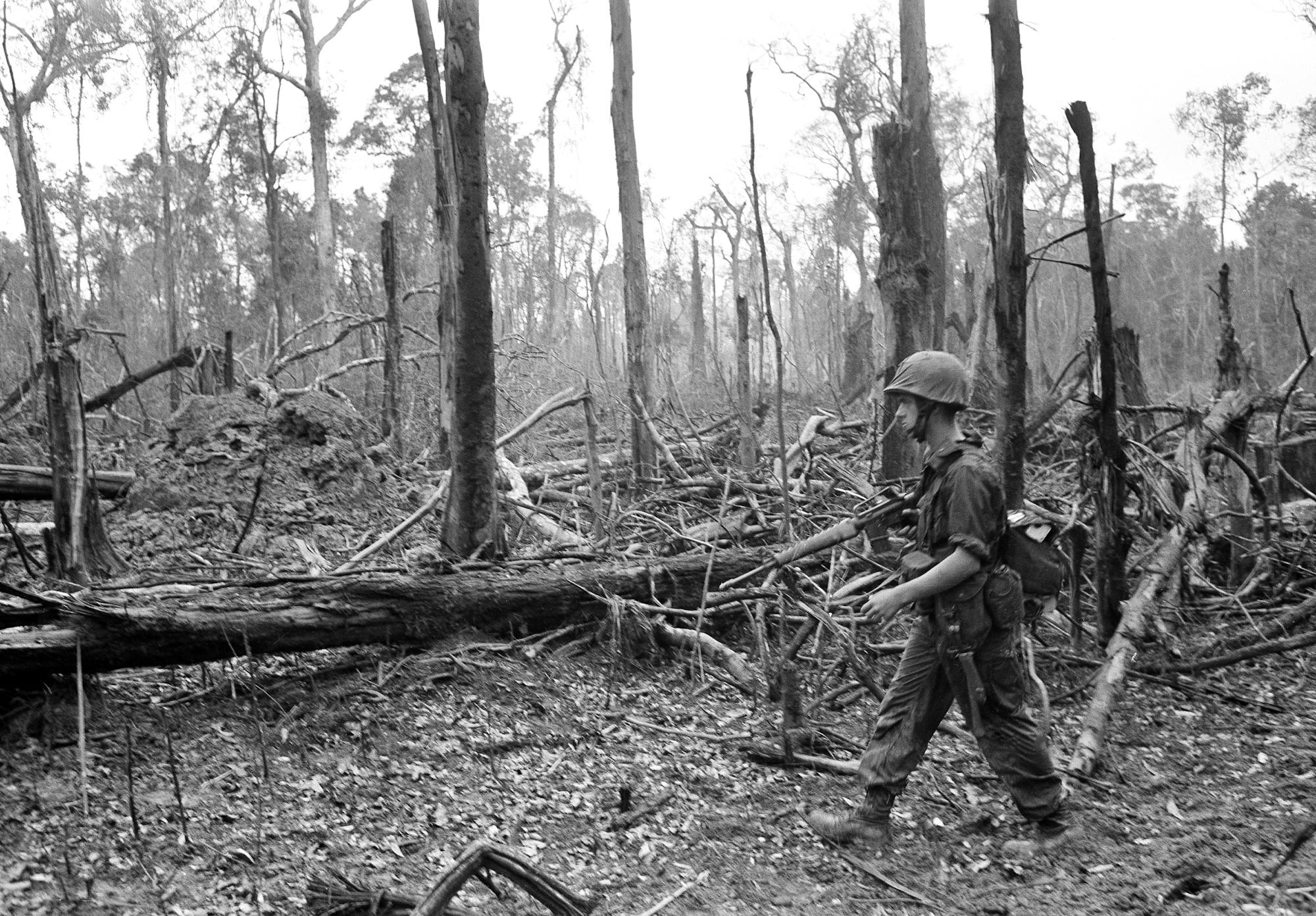
When the Vietnam War ultimately came to an end on April 30, 1975, it left behind a devastated landscape. scarred with environmental damage . Vast stretches of coastal mangroves, once housing rich stocks of fish and birds, lay in ruins. Forests that had boasted hundreds of species were reduced to dried-out fragments, overgrown with invasive grasses.
The term “ ecocide” had been coined in the late 1960s To depict the U.S. military’s employment of herbicides such as Agent Orange along with incendiary devices like napalm to combat guerrilla forces that utilized jungles and marshes for concealment.
Half a century later, Vietnam's damaged ecosystems and soil and water contaminated with dioxins continue to bear witness. the long-term ecological consequences regarding the war. Attempts to rehabilitate these ravaged environments and even to evaluate the long-term damage have been limited.
As an environmental scientist and anthropologist who has worked in Vietnam since the 1990s, I find the neglect and slow recovery efforts deeply troubling. Although the war spurred new international treaties aimed at protecting the environment during wartime, these efforts failed to compel post-war restoration for Vietnam. Current conflicts in Ukraine and the Middle East These laws and treaties continue to be ineffective.
Agent Orange along with daisy cutters
The U.S. first sent ground troops to Vietnam in March 1965 to support South Vietnam against revolutionary forces and North Vietnamese troops, but the war had been going on for years before then. To fight an elusive enemy operating clandestinely at night and from hideouts deep in swamps and jungles, the U.S. military turned to environmental modification technologies.
The most well-known of these was Operation Ranch Hand , which released at least 19 million gallons (75 million liters) of herbicides across approximately 6.4 million acres (2.6 million hectares), of South Vietnam. The chemicals fell on forests, and also on rivers, rice paddies and villages, exposing civilians and troops. More than half of that spraying involved the dioxin-contaminated defoliant Agent Orange.
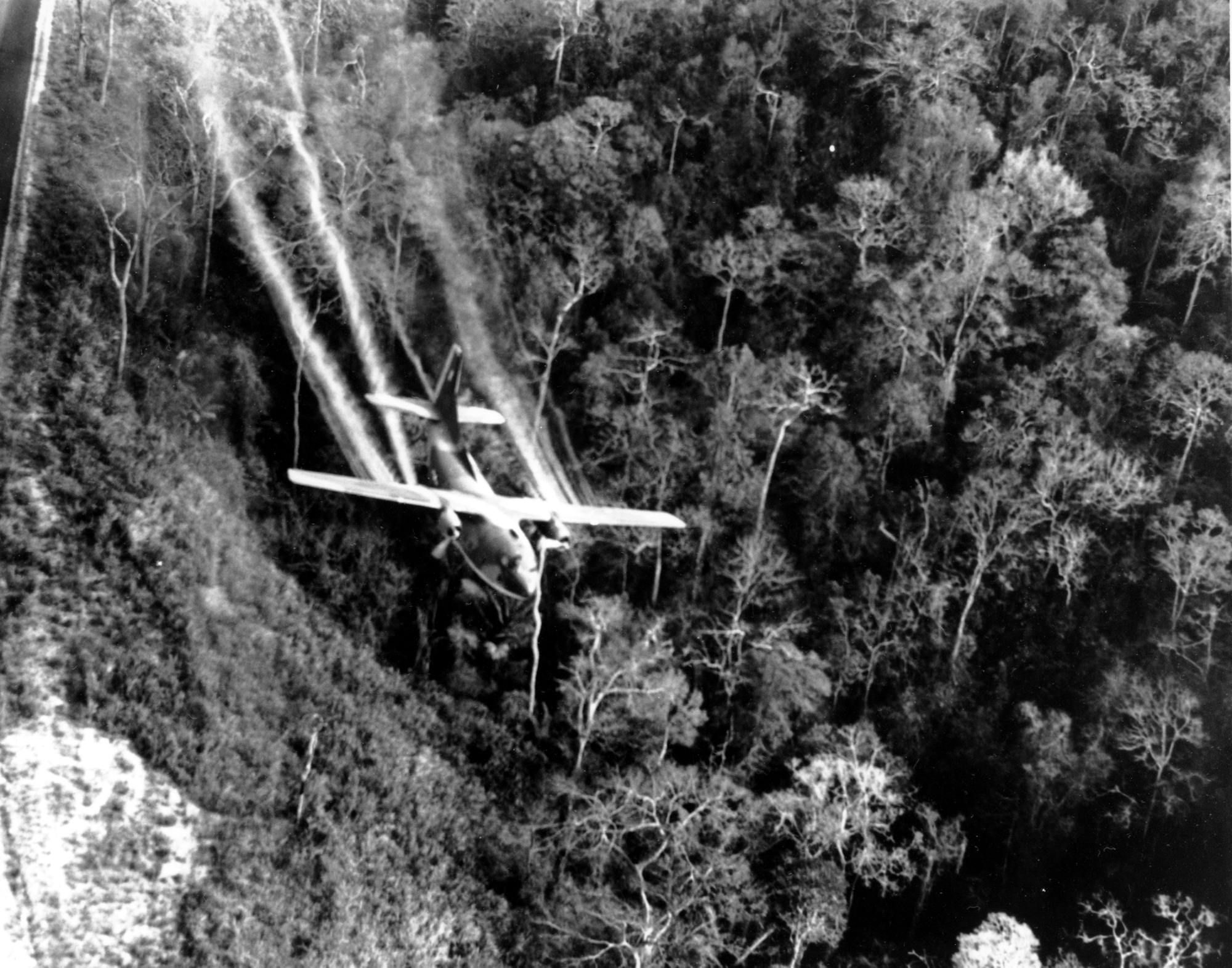
Herbicides were used to strip the leaf cover from forests , enhance visibility alongside travel paths and destroy crops suspected of supplying guerrilla forces.
When reports of the destruction caused by these methods reached the United States, scientists voiced worries over the ecological consequences of the operation. to President Lyndon Johnson , demanding an examination of whether the U.S. deliberately employed chemical weapons. The stance of American military leadership was that defoliants were not considered chemical weapons. did not qualify as chemical weapons under the Geneva Protocol, which the U.S. had yet to ratify.
During the war, scientific groups likewise commenced research efforts inside Vietnam. finding widespread destruction of mangroves, economic losses of rubber and timber plantations, and harm to lakes and waterways.
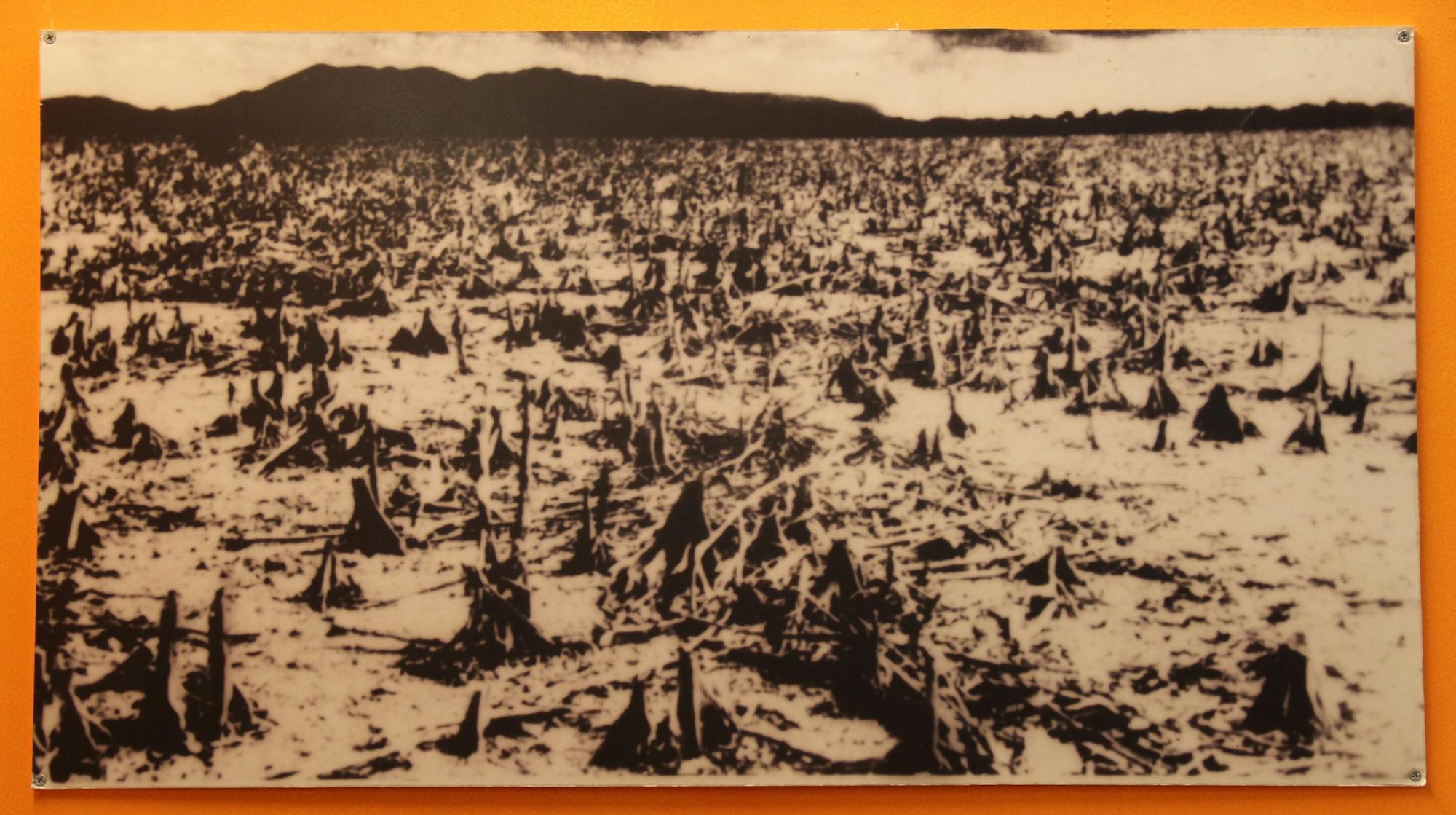
In 1969, evidence linked a chemical in Agent Orange, 2,4,5-T, to birth defects and stillbirths in mice because it contained TCDD, a particularly harmful dioxin. That led to a ban on domestic use and suspension of Agent Orange use by the military in April 1970 , with the last mission flown in early 1971 .
Incendiary weapons and the clearing of forests also ravaged rich ecosystems in Vietnam.
The U.S. Forest Service tested extensive burning of forests through the ignition of barrels of fuel oil dropped from aircraft. Civilians were particularly terrified by the employment of napalm bombs, more than 400,000 tons from the heavy oil utilized during the conflict. Following these conflagrations, Invasive grasses frequently dominated the area. in hardened, infertile soils.
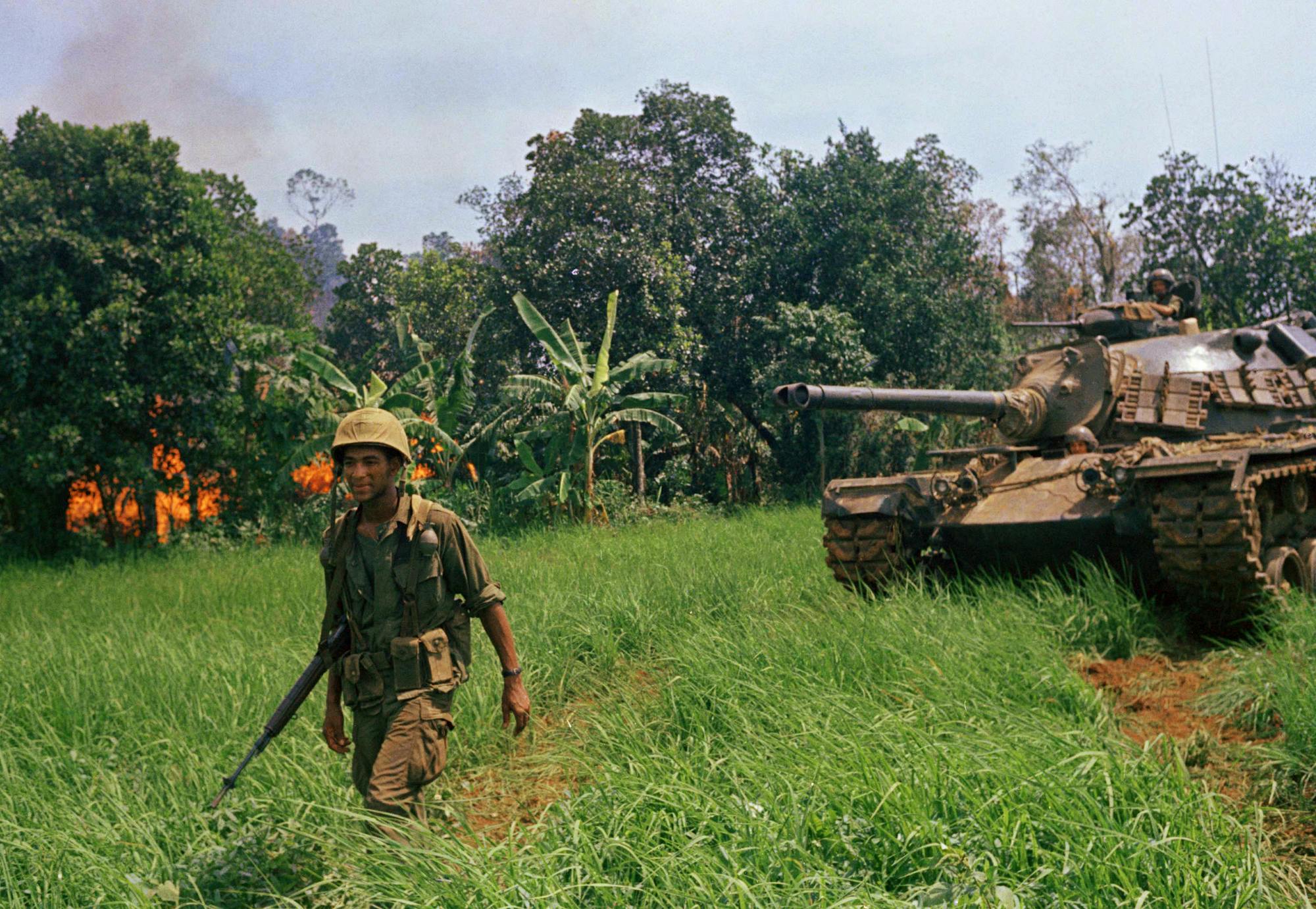
"Armored Bull Dozers," huge construction vehicles featuring fortified cutting blades, could eliminate 1,000 acres a day Massive explosive bombs referred to as "daisy cutters" leveled entire woodlands and generated shockwaves that annihilated all life within a 3,000-foot (900-meter) perimeter, including creatures beneath the ground like earthworms.
The U.S. was also involved in weather manipulation through Project Popeye , a covert operation between 1967 and 1972 aimed at extending the monsoon season by seeding clouds with silver iodide, all in an effort to reduce the movement of combatants and provisions moving south during this period. Ho Chi Minh Trail from North Vietnam. Congress eventually passed a bipartisan resolution in 1973 urging an international treaty To ban the utilization of weather alteration techniques as weapons in warfare. That treaty came into effect in 1978.
The U.S. military contended that all these tactics were operationally successful as a trade of trees for American lives .
Despite Congress’ concerns, there was little scrutiny of the environmental impacts of U.S. military operations and technologies. Research sites were hard to access, and there was no regular environmental monitoring.
Recovery efforts have been slow
Following the capture of Saigon by North Vietnamese forces on April 30, 1975, the United States experienced significant changes. enacted a trade and economic blockade Across all of Vietnam, the nation was left both ravaged by war and financially strapped.
The Vietnamese scientists informed me that they put together some small-scale studies. One of these revealed an significant decline in biodiversity among birds and mammals In the A Luí Valley of central Vietnam, 80% of the forests affected by herbicides hadn’t regenerated by the early 1980s. According to biologists' findings, these regions were home to just 24 bird species and five types of mammals, significantly fewer than what would typically be observed in unaffected forests.
Only a handful of ecosystem restoration projects were attempted, hampered by shoestring budgets. The most notable began in 1978, when foresters began hand-replanting mangroves At the entrance of the Saigon River in the Cần Giờ forest, a region that had been entirely stripped bare.
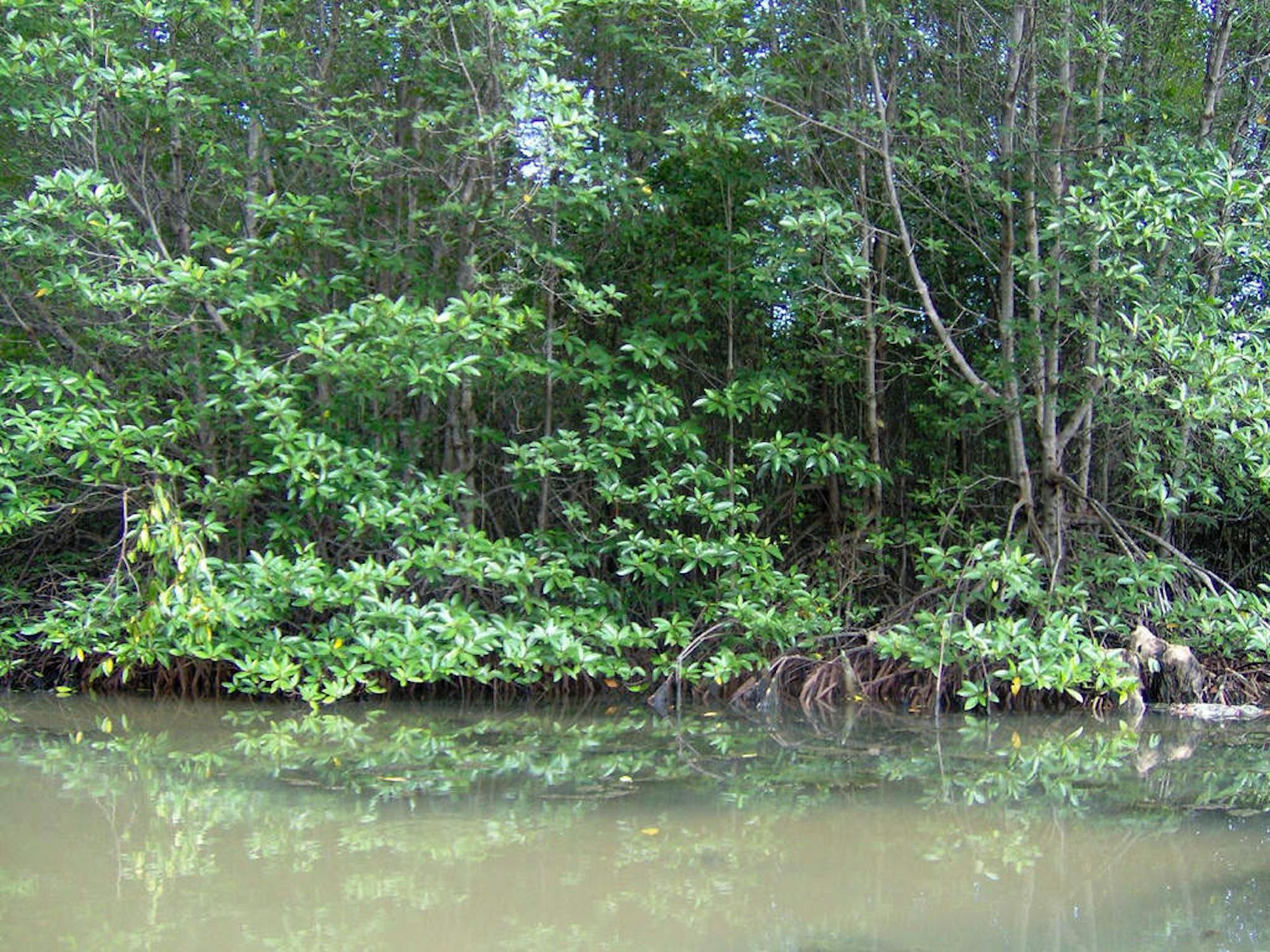
In inland areas, widespread tree-planting programs in the late 1980s and 1990s finally took root, but they focused on planting exotic trees like acacia, which did not restore the original diversity of the natural forests.
Chemical cleanup is still underway
For years, the U.S. also denied responsibility for Agent Orange cleanup, despite the recognition of dioxin-associated illnesses among U.S. veterans and testing that revealed continuing dioxin exposure among potentially tens of thousands of Vietnamese.
The first remediation agreement between the two countries only occurred in 2006, after persistent advocacy by veterans, scientists and nongovernmental organizations led Congress to appropriate US$3 million for the remediation of the Da Nang airport.
That project, completed in 2018, treated 150,000 cubic meters Of soil contaminated with dioxins at a final cost exceeding $115 million, which was predominantly covered by the U.S. Agency for International Development, also known as USAID. cleanup required Lakes scheduled for draining and polluted soil, which had penetrated over 9 feet (3 meters) deeper than anticipated, will be stacked and subjected to heat treatment aimed at breaking down the dioxin molecules.
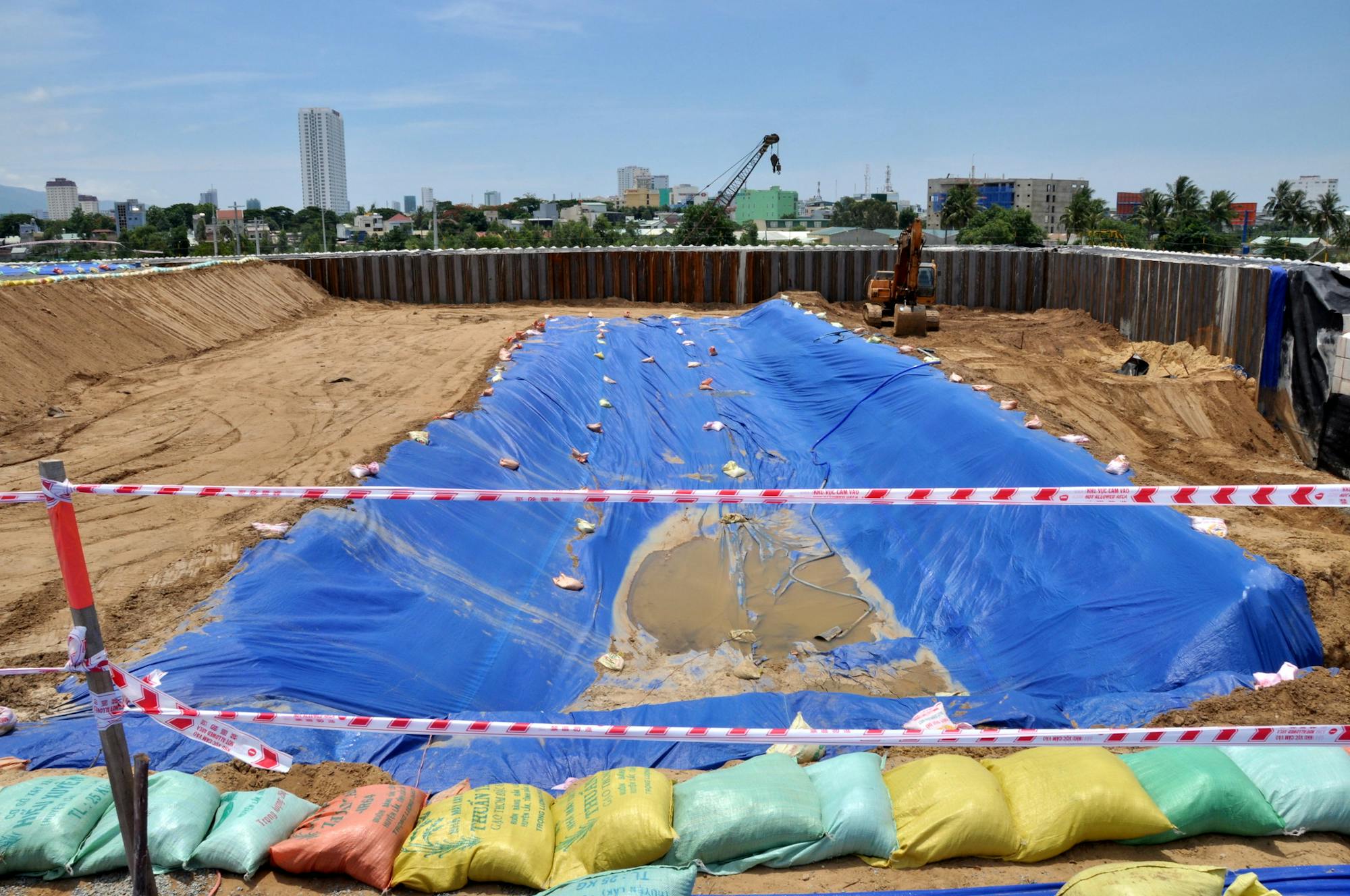
Another major hot spot is the heavily contaminated Biên Hoà airbase, where local residents continue to ingest high levels of dioxin through fish, chicken and ducks.
Agent Orange barrels were stored at the base, which leaked large amounts of the toxin into soil and water, where it continues to accumulate in animal tissue as it moves up the food chain. Remediation began in 2019; however, further work is at risk with the Trump administration’s near elimination of USAID, leaving it unclear if there will be any American experts in Vietnam in charge of administering this complex project.
Laws to prevent future ‘ecocide’ are complicated
While Agent Orange’s health effects have understandably drawn scrutiny, its long-term ecological consequences have not been well studied.
Current-day scientists have far more options than those 50 years ago, including satellite imagery, which is being used in Ukraine to identify fires, flooding and pollution. However, these tools cannot replace on-the-ground monitoring, which often is restricted or dangerous during wartime.
The legal landscape is equally intricate.
In 1977, the Geneva Conventions governing conduct during wartime were revised to prohibit “widespread, long term, and severe damage to the natural environment.” A 1980 protocol limited incendiary devices. However, oil fires initiated by Iraq During the Persian Gulf War in 1991 , and the recent ecological harm caused by the Gaza Strip , Ukraine and Syria highlight the constraints of depending on treaties due to the absence of robust enforcement mechanisms.
An international campaign Currently in progress calls for revising the act Statue of Rome for the International Criminal Court to add ecocide as an additional prosecutable offense alongside genocide, crimes against humanity, war crimes, and aggression.
Certain nations have implemented their own ecocide laws Vietnam became the first country to explicitly define "ecocide," or the destruction of the natural environment, as a crime against humanity in its criminal code, regardless of whether it occurs during peacetime or wartime. However, even with this legislation, there have been no convictions, despite multiple significant environmental contamination incidents.
Both Russia and Ukraine also have ecocide laws, but these have not prevented harm or held anyone accountable for damage during the ongoing conflict.
Lessons for the future
The Vietnam War is a reminder that failure to address ecological consequences, both during war and after, will have long-term effects. What remains in short supply is the political will to ensure that these impacts are neither ignored nor repeated.
This article is republished from The Conversation , a nonprofit, independent news organization bringing you facts and trustworthy analysis to help you make sense of our complex world. It was written by: Pamela McElwee , Rutgers UniversityRead more:
- War’s physical toll can last for generations, as it has for the children of the Vietnam War
- Anti-war protests 50 years ago helped mold the modern Christian right
Pamela McElwee is funded by the Carnegie Corporation, the National Science Foundation, and the National Endowment for the Humanities.
No comments