
Nose Clue: Spot This Silent Killer Symptom Early
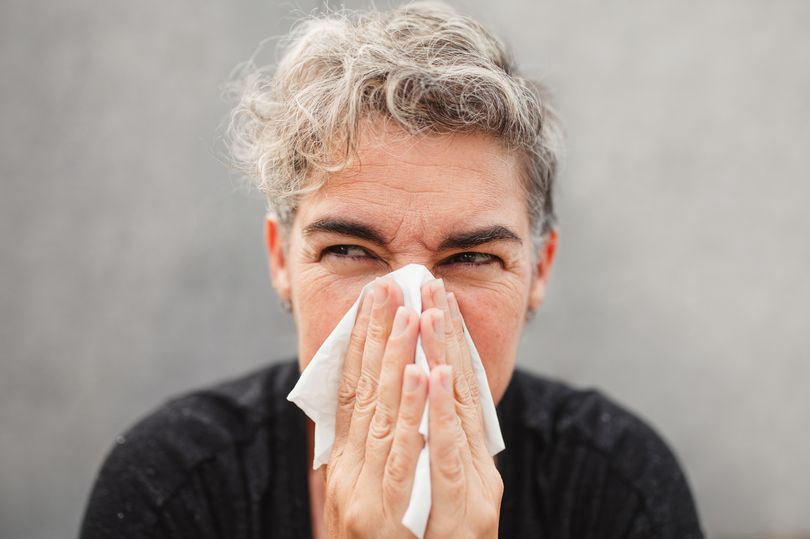
According to health organizations, a possible sign of a silent but widespread danger might appear in the nasal area. This medical condition usually occurs without noticeable symptoms and may result in nosebleeds under more serious circumstances.
High blood pressure, also known as hypertension—affecting approximately one in every three adults in the UK—can quietly strain the heart, making it exert more effort to circulate blood throughout the body. Initially, this condition might present no symptoms; however, persistently elevated pressures can gradually harm vital organs and elevate the likelihood of severe health crises such as heart attacks and strokes.
According to the British Heart Foundation The BHF states that high blood pressure usually doesn’t show obvious signs. Nonetheless, some people might notice particular indications.
- Having just two servings of a single alcoholic beverage increases the risk of colorectal cancer twofold, according to a new study.
- 'Silent killer' symptom that 'almost always' appears in just one eye - how to spot
Nosebleeds are listed by the BHF as a potential sign of high blood pressure, although there's ongoing debate in the medical field due to mixed research results. The North Texas Medical Associates explains: "You're not alone if you've heard that high blood pressure can cause nosebleeds.
"While most experts believe that hypertension alone doesn't cause nosebleeds unless your blood pressure is extremely high, it can damage the blood vessels inside your nose, making bleeding more likely. Some recent research has found that hypertension may increase your risk of more severe nosebleeds."
NHS The guidance notes indicate that individuals with hypertension are particularly vulnerable to these effects.
What have studies found?
A study paper published in 2020, which appeared in JAMA Otolaryngology - Head and Neck Surgery identified a 47 percent higher chance of nosebleeds in people with elevated blood pressure.
This large-scale study encompassed 35,749 participants - all averaging 52 years of age - with high blood pressure. These participants were matched against an identical number of persons unafflicted by the condition.
Over a period of 14 years, the investigation focused on tracking spontaneous nosebleeds, which refers to those not triggered by external factors such as injury, surgical intervention, or illnesses, across both sets of groups.
Not only did hypertensive individuals report a 47 per cent surge in the odds of experiencing a nosebleed, but they were also subjected to more "severe" bouts of bleeding. Additionally, their likelihood of seeking emergency room treatments was increased by 2.7 times.
The British Heart Foundation (BHF) highlights additional signs of high blood pressure that you should watch out for:
- Blurred vision
- Shortness of breath
- Chest pain
- Dizziness
- Headaches.
Individuals worried about their blood pressure ought to consult their general practitioner for guidance.
No comments