
CNBC Daily Open: Trump Claims U.S. Can Thrive Without Trade Deals; UK and India Prove Otherwise
- American officials will convene with their Chinese peers later this week in Switzerland to talk about trade issues.
- The U.K. and India have struck a bilateral trade agreement that will cut tariffs on most goods within a decade.
- The markets dropped following U.S. President Donald Trump's dismissal of the notion that the U.S. requires agreements.
- Advanced Micro Devices reported better-than-expected earnings for its first fiscal quarter and gave strong guidance for the current quarter.
- India stated on Wednesday morning that its military had carried out attacks targeting Pakistan.
- According to JPMorgan, the U.S. "is not a favorable location for concealment" during a worldwide economic downturn.
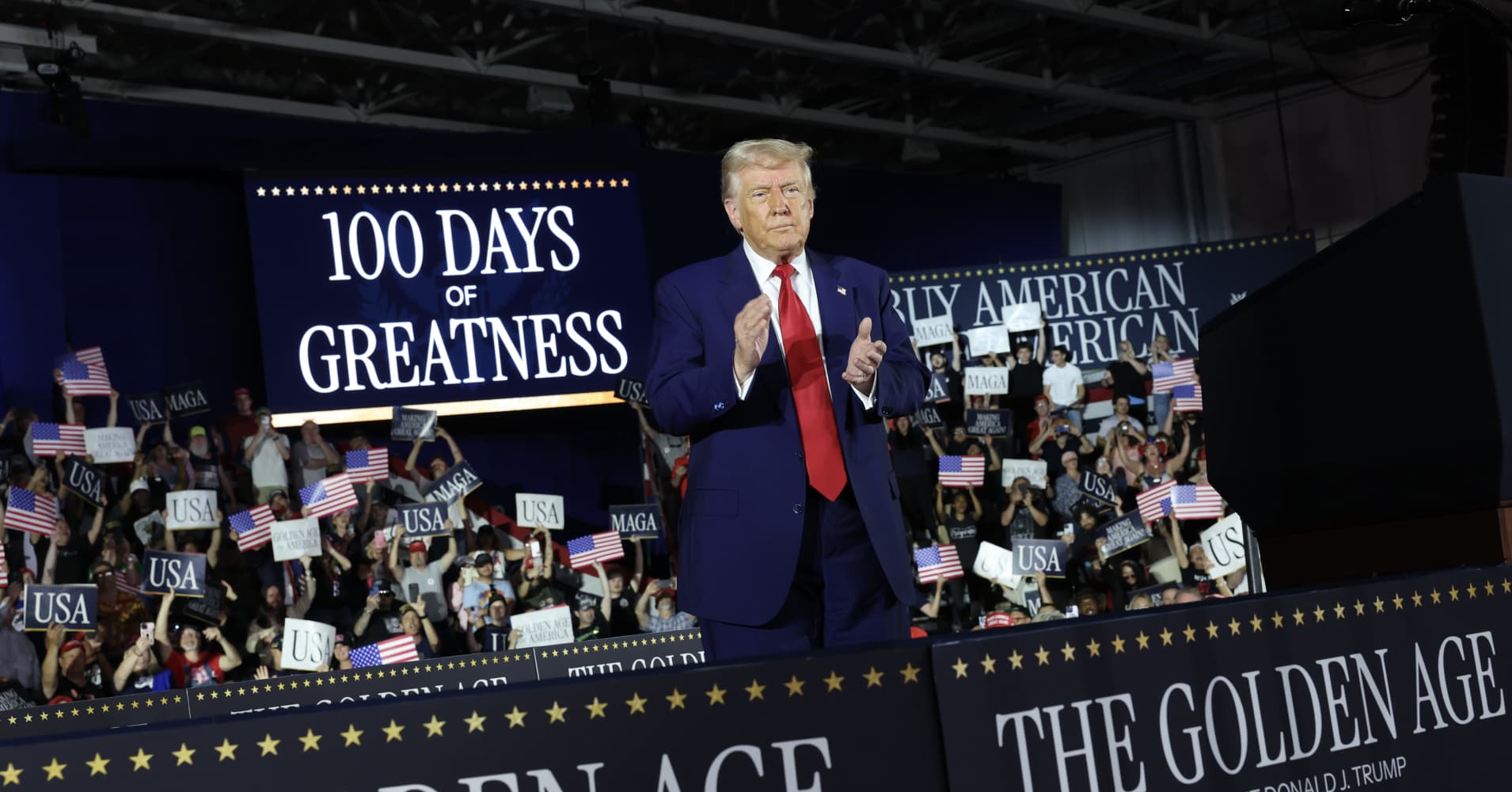
After U.S. President Donald Trump shattered — or at least fractured — global trade relationships and supply chains, there are promising signs of reconstruction in recent days. Indeed, U.S. Treasury Secretary Scott Bessent informed Daily News on Monday the country is "very close to some deals."
On Tuesday, the recently elected Canadian Prime Minister Mark Carney had a meeting with Trump at the White House, which could reshape a bilateral relationship that has been tense since January. Additionally, Chinese Vice Premier He Lifeng plans to hold trade discussions with Bessent in Switzerland this week.
However, along comes the storm that is Trump once more. "We aren’t obligated to agree to deals; they must come to terms with us. They desire access to our marketplace, but we have no interest in entering theirs,” said Trump. said during his meeting with Carney, contradicting top White House officials' claim for weeks that such deals are the administration's top priority. Markets fell after his comments.
The growing protectionism of the U.S., ironically may help other countries forge closer economic ties with each other. The U.K. and India concurred with a two-way trade deal This aims to eliminate duties on the majority of goods over ten years. In the meantime, ASEAN and China plan to convene on May 19 for negotiations aimed at enhancing their free-trade agreement. as stated by Malaysian Prime Minister Anwar Ibrahim on Monday .
New bridges might be constructed following the implementation of Trump's tariffs. However, these connections have the potential to circumvent the U.S., despite Trump’s stance that America doesn’t require such deals at all.
Here’s what you should be aware of today
U.S. and Chinese officials set for meeting
U.S. Treasury Secretary Scott Bessent and Trade Representative Jamison Greer will meet with their Chinese equivalents This week in Switzerland, they convened to talk about economic and trade issues, as stated by their offices on Tuesday. The Chinese Foreign Ministry later mentioned that Vice Premier He Lifeng, who oversees China-US economic and trade affairs for Beijing, will have discussions with Bessent in Switzerland, according to NBC News reports.
The UK and India have reached a trade deal.
The The United Kingdom and India entered into a bilateral trade deal. On Tuesday, an agreement was announced where most products exchanged between India and the U.K. will be “completely free from import duties” over ten years, stated the British authorities. As part of this deal, India plans to reduce taxes on significant U.K. goods like Scotch whisky and automobiles. Meanwhile, upon implementation of the pact, the U.K. has committed to eliminating tariffs on nearly 99.1 percent of items imported from India, according to officials in India.
Stocks drop following Trump's remarks on trade.
U.S. stocks fell Tuesday after Trump gave belligerent comments on trade deals. The S&P 500 declined 0.77%, the Dow Jones Industrial Average lost 0.95% and the Nasdaq Composite retreated 0.87%. Europe's regional Stoxx 600 index dropped 0.18%, ending its 10-day winning streak . Shares of Deliveroo rose 1.9% after the British food delivery company said it had agreed to a takeover offer from American rival DoorDash, which values the company at £2.9 billion ($3.9 billion).
AMD exceeds profit forecasts but raises concerns over component restrictions.
On Tuesday, Advanced Micro Devices released their report earnings for its first fiscal quarter that topped expectations And provided clear direction for this quarter. The forecast encompasses $800 billion in expenses due to U.S. restrictions on AI chip exports. In other news, Nvidia’s CEO, Jensen Huang, mentioned on Tuesday that China’s AI market is expected to grow to around $50 billion within the coming two to three years, adding that not being part of it could be considered a "loss." tremendous loss ."
India says it carried out strikes on Pakistan
India announced early Wednesday that its military forces were involved in the following actions: conducted strikes against Pakistan And referring to areas as Pakistan-controlled Jammu and Kashmir, they aimed at dismantling "terrorist infrastructure." This operation came after militants carried out an assault in Pahalgam, Jammu and Kashmir, where 26 individuals lost their lives last month, focusing on nine specific locations, according to the statement.
[PRO] U.S. "is not an ideal hiding spot": JPMorgan US exceptionalism – where the American economy and financial markets had been performing better than those of other nations during the pandemic – may now be history. This time around, the US " It is not an ideal spot for concealment. If global economic growth decelerates, noted JPMorgan strategist Mislav Matejka in a memo released on Tuesday.
And finally...
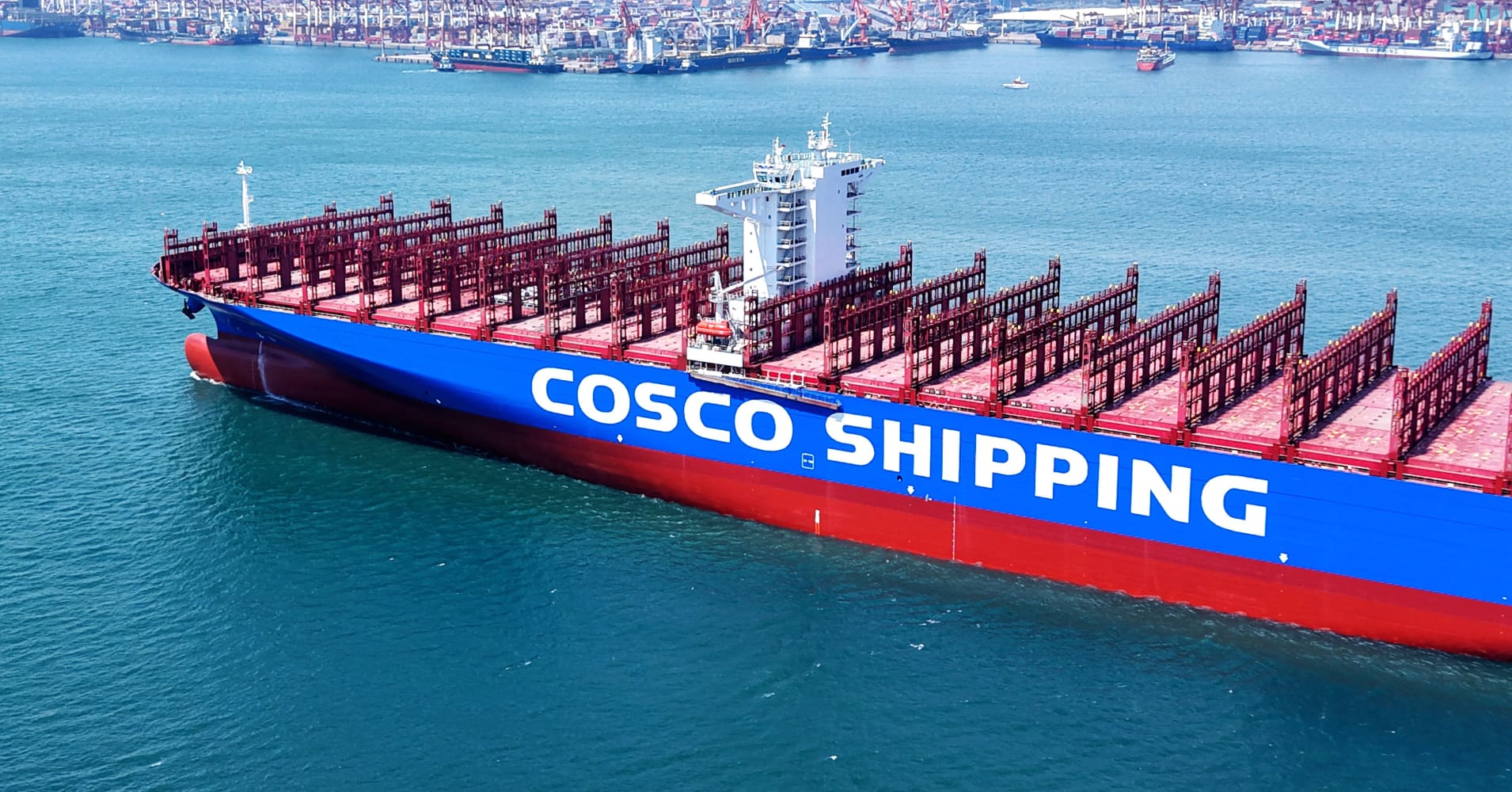
Trump trade tariffs slump widens to 'nearly all U.S. exports,' supply chain data shows
What began as a rapid drop in U.S. imports as shippers cut orders from manufacturing partners around the world has now extended into a nationwide export slump, with the U.S. agricultural sector and top farm products including soybeans, corn and beef taking the hardest hit.
New trade statistics indicate a decline in U.S. exports globally, specifically to countries like China, which started in January and has since impacted numerous U.S. ports. At the forefront is the Port of Portland, Oregon, experiencing a significant drop of 51%. Meanwhile, the Port of Tacoma, Washington—a major hub for agricultural shipments—has witnessed an export reduction of 28%.
The information originates from Trade Tracker Vizion, which examined U.S. export container bookings during the five weeks preceding the commencement of tariffs imposed by then-U.S. President Donald Trump, as well as the subsequent five weeks once those tariffs were active.
No comments